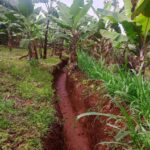
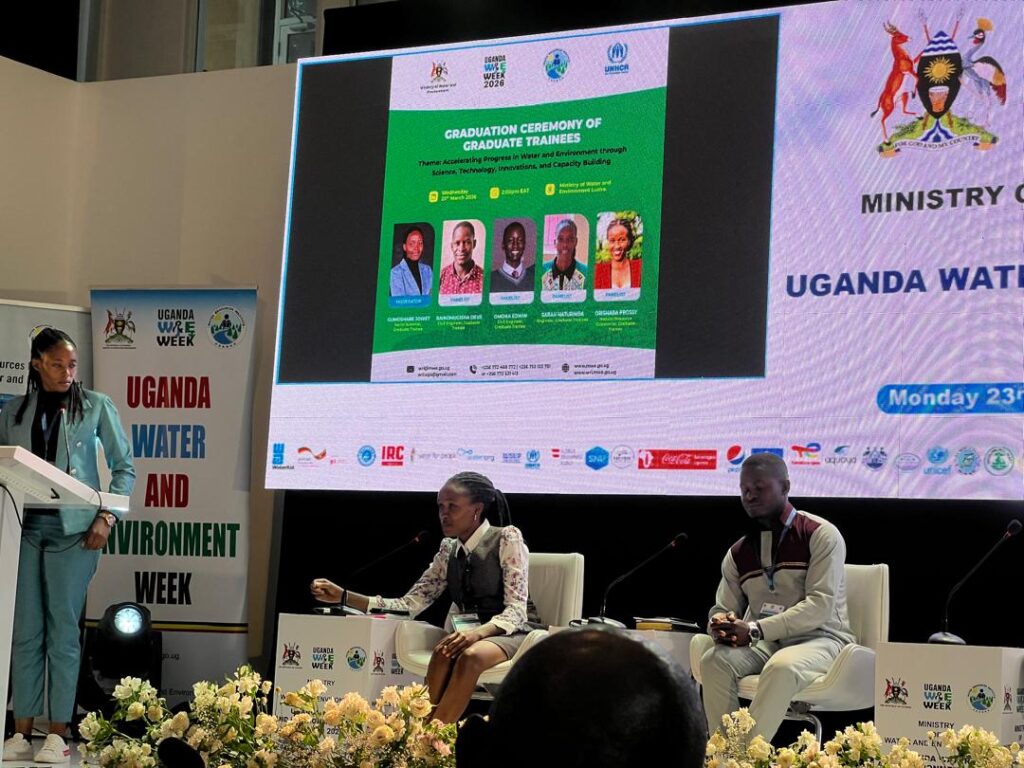
Protecting Oxfam-ARC Yangani water supply system
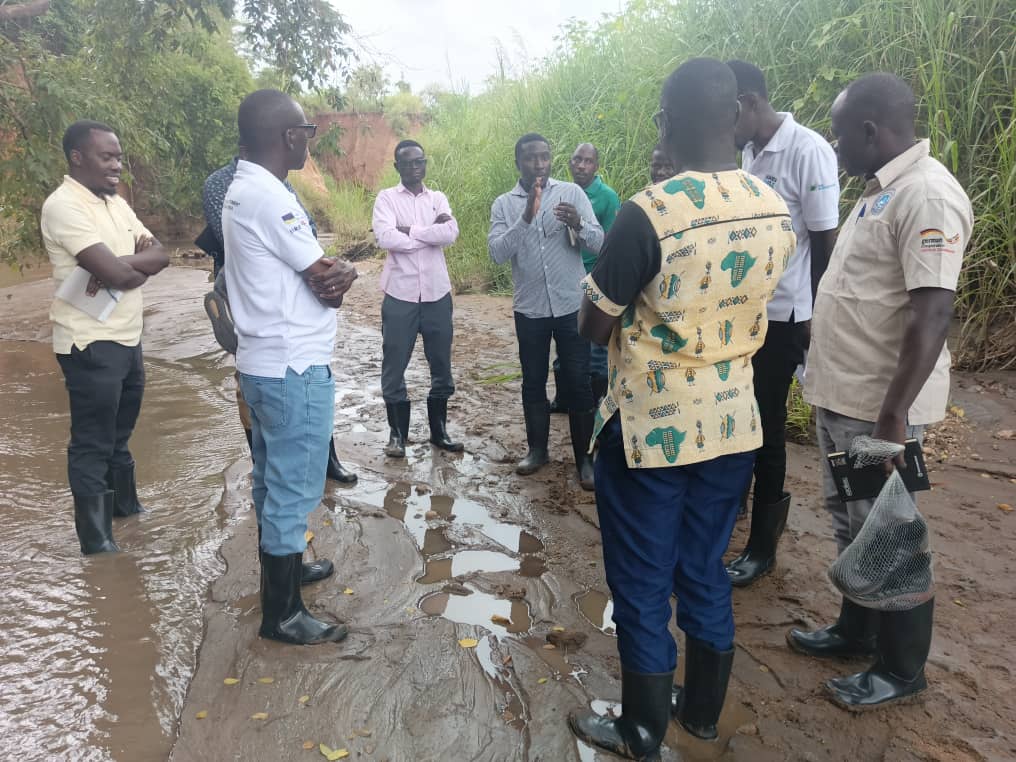
As part of its Water Supply and Sanitation for Refugee Settlements and Host Communities in Northern Uganda (WatSSUP) Programme, GIZ awarded AidEnvironment a grant to implement targeted interventions focused on protecting the Oxfam-ARC Yangani water supply system in Yumbe District. The refugee settlements and host communities will take the leading role in implementing the interventions.
In collaboration with local leaders, awareness and sensitization meetings were held to equip the communities with the knowledge and skills to participate and sustain the implementation of the project. Relatedly, community Environmental Action Planning was conducted, and a draft source protection plan for Oxfam-ARC Yangani water system was developed.
In preparation for source protection activities to commence, AidEnvironment organized and engaged communities in Community Mobilization & Planning which involved holding community meetings to explain why the water source needs protection. Likewise, activities to enhance the capacity of Water User Committees (WUC) were held.
A preliminary assessment to map surrounding land use (gardens, homesteads, etc) and site surveying by the technical team was conducted to mark boundaries and establish a buffer zone, as well as collect accurate, on-site information before designing, installing, or supporting the water system. These are important steps to help reduce risk, and ensure feasibility toward project success.
In preparation for construction, materials such as stones, sand, cement, bricks, pipes, mesh, and gravel, were sourced and prepared, alongside the identification of reliable local masons.
In order to provide a holistic intervention, the following aspects were also integrated into the water source protection programme:
- Source protection & catchment care: Implementing measures to protect catchments and groundwater recharge zones ensures longterm water quantity and quality (not just point-source protection but broader environmental stewardship).
- Hygiene and sanitation integration: Ensuring water supply improvements go hand-in-hand with sanitation, hygiene facilities, and community sensitization helps protect water sources from contamination from latrines, waste, runoff etc.
- Stakeholder engagement: Effective water source protection requires cooperation among governments, civil society organizations, community-based organizations, non-governmental organizations, farmers, and local communities, supported by strong policies and continuous monitoring.
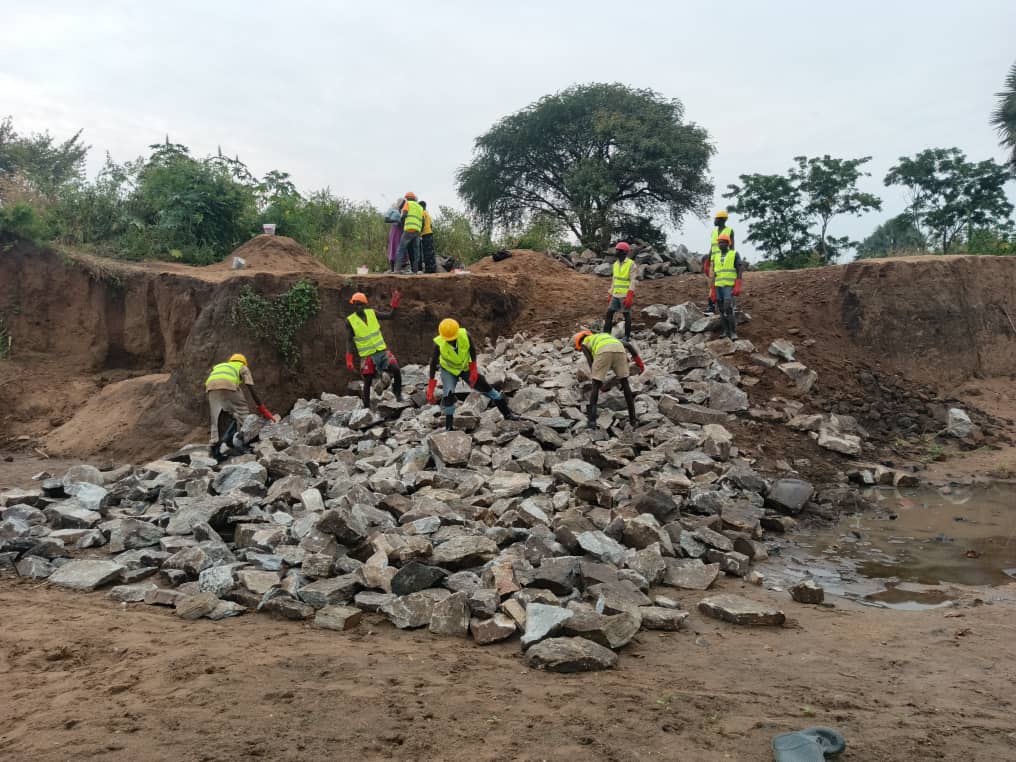
Ultimately, protecting water sources is not just an environmental responsibility but a foundational investment in public health, economic stability, and the resilience of future generations. AidEnvironment contacted the Ministry of Water and Environment, Yumbe District Local Government and other partners to participate and include Yangani in their other water-source protection programmes. We continue to engage communities to ensure their involvement and contribution, e.g. labour, local oversight committee, to enhance ownership and sustainability.
Through water source protection, this project contributes to safeguarding human health, preserving ecosystems, and ensuring long-term water security. By preventing contamination at its source through sustainable land-use planning, pollution control, watershed management, and community engagement, there will be a reduction in the need for costly treatment and result in improved maintenance of the natural integrity of the water source.
Authors: Anne Kikundwa & Brian Lukwago