Water Winnen. Sand dams in Benin & Burkina Faso
Improving Water Access in the Sahel
Water scarcity is a critical issue in the semi-dry regions of Benin and Burkina Faso, where water sources often run dry during the dry season. Water Winnen aims to address this challenge by constructing sand dams that store and preserve seasonal rainwater, providing reliable access to water for both agricultural and drinking purposes. The initiative also focuses on building local capacity, creating the foundation for the future development and expansion of sand dams in the region after the project concludes.
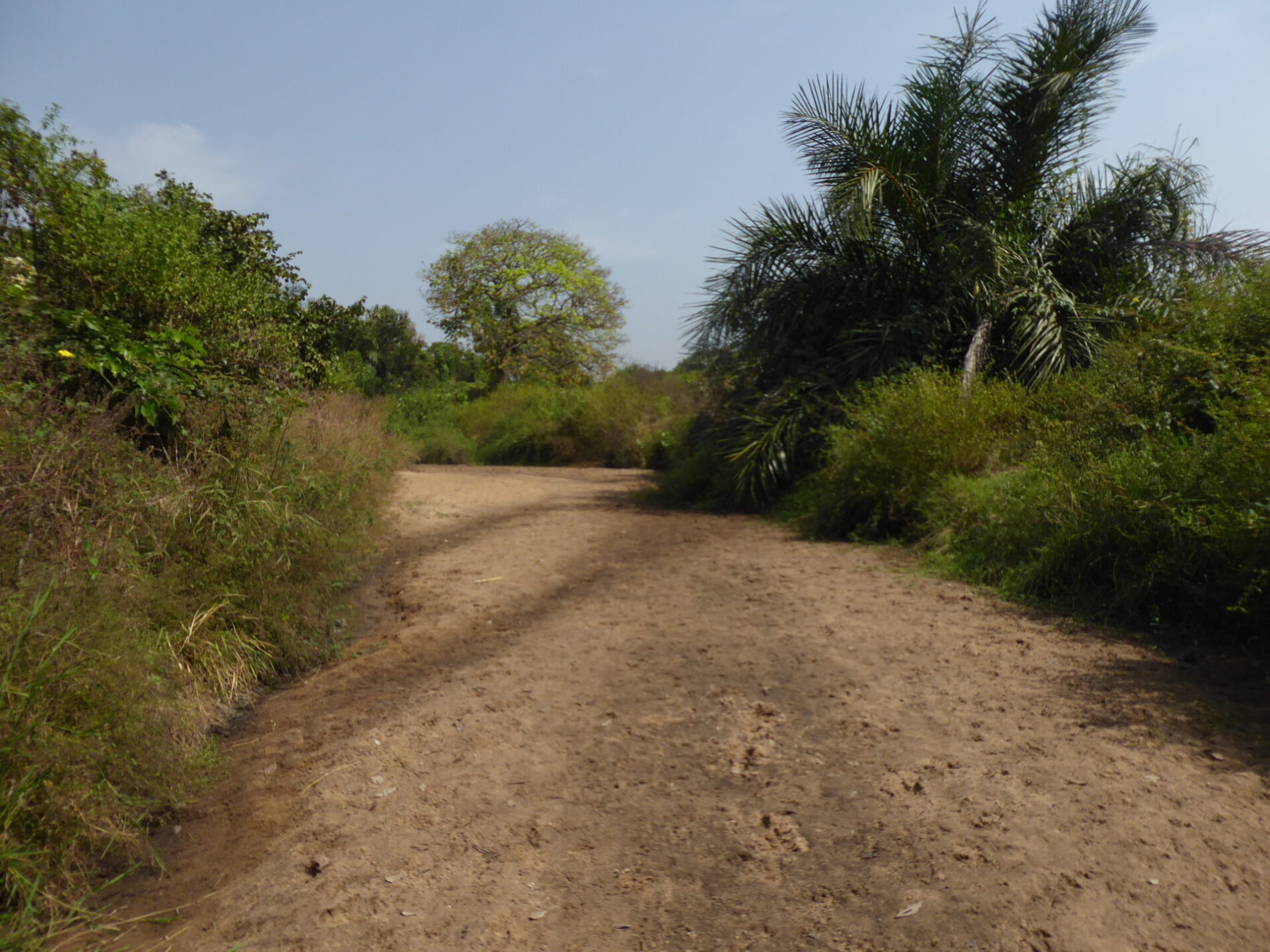
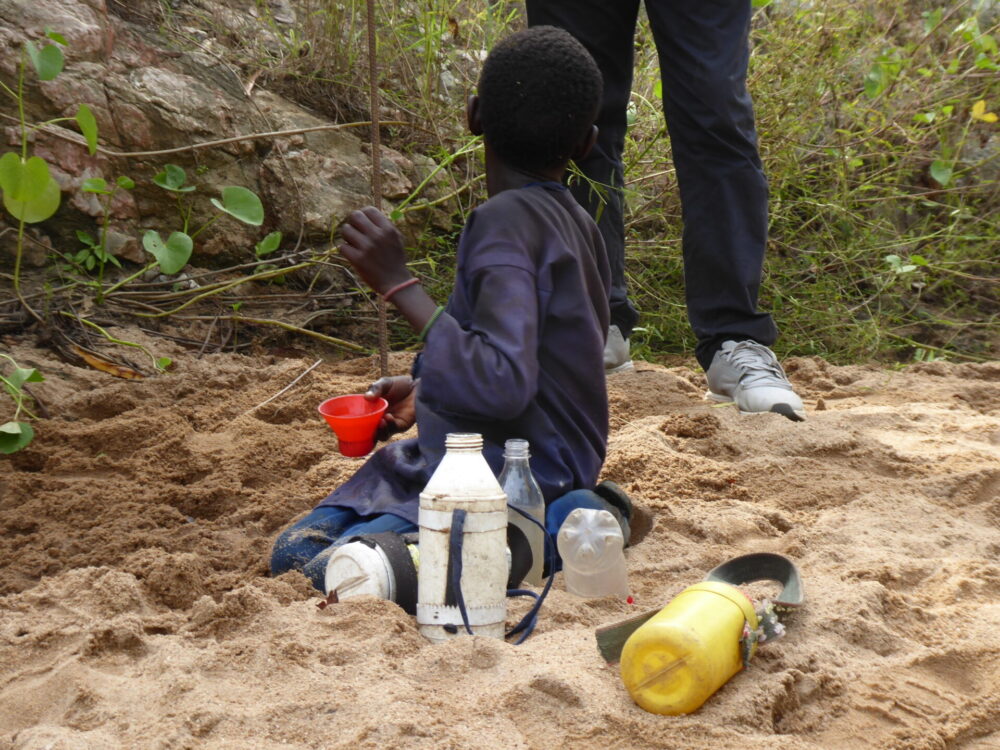
Water scarcity is a critical issue in the semi-dry regions of Benin and Burkina Faso, where the availability of water significantly decreases during the dry season. During this period, many local water sources dry up, forcing communities, particularly women and children, to travel long distances to collect water. The lack of reliable and sustainable water sources not only affects daily consumption but also limits agricultural productivity, leading to food insecurity and further exacerbating poverty. In these regions, the pressure on water resources during the dry season becomes more intense, making it difficult for farmers to maintain crops and livestock, and for local populations to meet their basic needs.
The Water Winnen project takes a collaborative, step-by-step approach to address water scarcity in Benin and Burkina Faso. It begins with close cooperation with The Hunger Project’s country team to assess local water issues and needs. Using satellite imagery, climate data, and topographical maps, the team identifies potential sites for sand dams, followed by field visits to measure riverbeds, evaluate bank stability, and gather community input. This ensures that the sand dams meet the real water needs of the communities.
Once suitable sites are selected, the sand dams are designed according to local conditions, such as river morphology and riverbanks. A key part of the project is training local engineering companies, equipping them with the skills needed for construction and long-term maintenance. This strengthens local capacity and ensures sustainability beyond the project’s lifespan.
The construction of the sand dams is carried out in close collaboration with the local communities, who are actively. This hands-on participation not only provides immediate water access but also ensures that communities can manage and maintain the systems independently in the future, creating a lasting impact.